
Refined nose profile representing rhinoplasty at Weston Center for Plastic Surgery
A Guide to Rhinoplasty

What doesa nose jobentail?

with Dr. Nathan Eberle

A practical guide to what a rhinoplasty procedure actually involves, from functional breathing improvements to the cosmetic reshaping that defines the center of the face.

Overview

What does a nose job entail?

A nose job, officially known as a rhinoplasty, is a popular form of cosmetic surgery designed to alter the appearance of the nose. Though many people think of it as purely cosmetic, a number of patients each year seek rhinoplasty for functional reasons.

Because every nose is unique, what a nose job entails depends on your individual anatomy and whether you are seeking the procedure for functional or cosmetic benefit.

Functional

Functional rhinoplasty

The nose plays a key role in respiration, enabling air to enter and exit the body, while the small hairs inside it filter out allergens and irritants before they reach the lungs. Functional rhinoplasty is performed to help patients breathe more easily.

Some anatomy makes breathing harder than ideal. A genetically flat nose, small nostrils, or a nose whose framework has collapsed after trauma all qualify. Functional rhinoplasty restores the underlying framework so the airways open, and in some cases the nostrils are enlarged to improve airflow.

Cosmetic

Cosmetic rhinoplasty

Cosmetic rhinoplasty is what most people picture when they think of a nose job. The shape and size of your nose are largely inherited, and by roughly age sixteen the nose you have is the nose you live with, unless you choose to have rhinoplasty.

There are many ways to reshape the nose. Because it is the central feature of the face and impossible to hide, choose your surgeon carefully and do not rush into the procedure. The outcome depends entirely on the skill and experience of the hands performing it.

Procedure Types

Types of rhinoplasty and what to expect

Reduction vs. Augmentation

Reshaping the framework

Cosmetic rhinoplasty divides into two key types: reduction rhinoplasty makes the nose smaller, and augmentation rhinoplasty reshapes or enlarges using extra bone or cartilage. The graft is usually taken from another part of the body (ear, elbow, or hip), though an artificial substitute may be used in some cases.

Open vs. Closed

Where the incisions sit

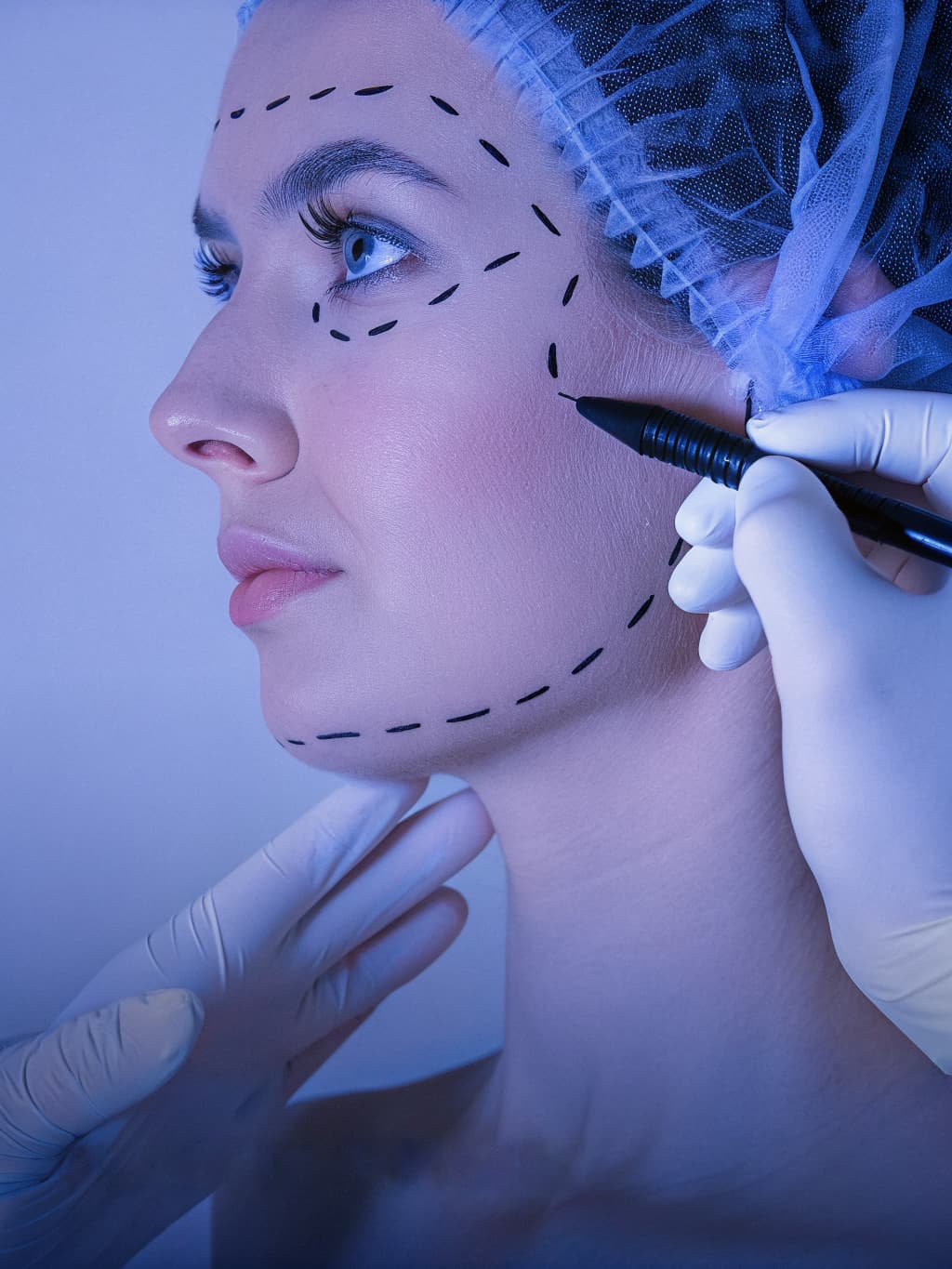
Whenever possible, incisions are placed inside the nostrils to minimize visible scarring. This is a closed rhinoplasty. When the case requires more access, an open rhinoplasty adds an incision across the skin between the nostrils. Your consultation will make clear which approach is appropriate for you. All rhinoplasties, functional or cosmetic, are normally performed under general anesthesia.

Recovery

Recovering from a nose job

It can take some time to feel back to normal after rhinoplasty. General anesthesia leaves the body drowsy and uncoordinated for a day or more, and the nose feels tight and sore for several days. Pain relief is recommended on a regular schedule, and your surgeon will guide you on nutrition, wound care, and the timing of returning to work and exercise.

The effect of the procedure is not visible right away. Swelling and bruising can persist for months, and the final result is often not fully evident until twelve weeks or more after surgery.

Anesthesia
General. Expect drowsiness for 24 hours or more.
Comfort
The nose feels tight and sore for several days; regular pain relief is recommended.
Swelling & Bruising
May persist for months as the final shape settles.
Final Result
Often takes twelve weeks or more to be fully evident.
Next Steps

Learn more about rhinoplasty

If you would like more information on exactly what a nose job entails, contact Weston Center for Plastic Surgery to book a consultation with our team in Weston, FL.

Our Procedures

Discover the full range of surgical and non-surgical treatments tailored to your goals.