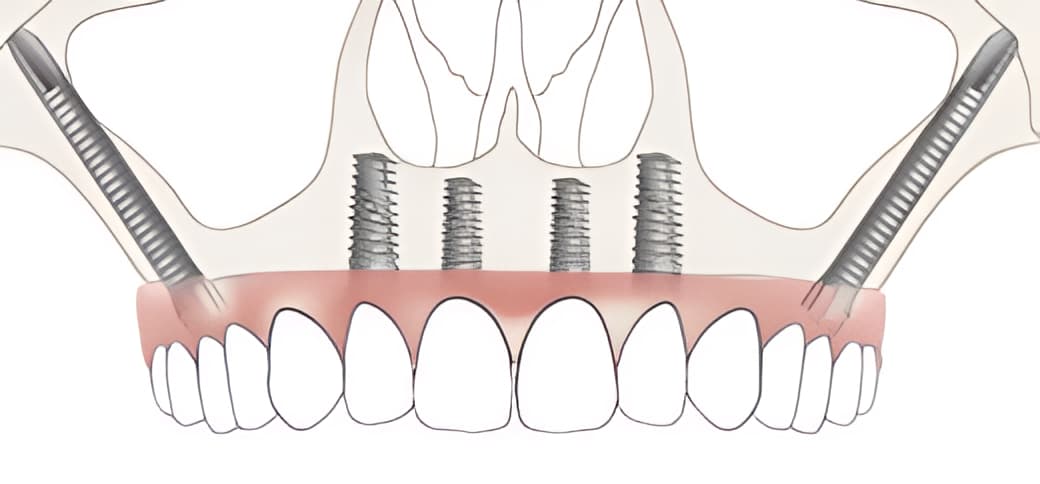
Most dental implants are made of titanium, and have been for decades, because titanium is biocompatible, strong, and fuses reliably with bone. But a newer option, zirconia implants, has gained traction for patients who prefer a metal-free alternative.
How Zirconia Implants Are Different
Zirconia is a white ceramic material derived from zirconium dioxide. It's been used in crowns and bridges for years, and is now manufactured into full implants. The result looks more like a natural tooth from the start, with no risk of a grey metallic line showing through thin gum tissue, a common concern with titanium when gums recede slightly over time.
When Zirconia Makes Sense
Patients who have a confirmed metal sensitivity or simply prefer a metal-free mouth are the most common candidates. Zirconia is also a good option for patients with thin, translucent gum tissue in the front of the mouth, where aesthetics matter most. Some patients pursuing a more holistic approach to dental care prefer zirconia for that reason alone.
Trade-Offs to Consider
Zirconia implants are typically one-piece, meaning the post and abutment are fused. That simplifies surgery but reduces flexibility in angling the crown later. Titanium implants, by contrast, come in two-piece designs that allow more adjustment during the restoration phase.
Long-term clinical data on zirconia is still catching up to the decades of evidence behind titanium. The early results are encouraging, but titanium remains the more thoroughly studied option.
Choosing What's Right for You
Both materials integrate well with bone and both can deliver excellent outcomes. The right choice depends on the location of the implant, the condition of your gum tissue, your personal preferences, and your overall health. Dr. Eberle can walk you through the considerations during a consultation.
Call Weston Center for Plastic Surgery at (954) 507-4540 to schedule.