
FAQ regarding injectables at Weston Center for Plastic Surgery
Fort Lauderdale, FL

FAQ Regardinginjectables

with Dr. Nathan Eberle

Fillers, Botox, Dysport, safety, longevity, and liquid facelifts. Straight answers to the questions patients ask most before treatment.

Overview

Fillers vs. neurotoxins.

Injectable treatments fall into two broad categories: fillers that restore volume and shape, and neurotoxins such as Botox and Dysport that soften lines by relaxing targeted facial muscles. Many patients use both, but they work differently and are chosen for different goals.

The questions below cover what to expect before treatment, how long results last, safety, liquid facelifts, and who is qualified to perform injectables in Florida.

Frequently Asked

Six questions.

Common questions about fillers, neurotoxins, preparation, safety, and who may perform injectable treatments.

Six Topics

Injectable fillers used today are most commonly made of hyaluronic acid. Common fillers in this category include Juvéderm and Restylane. Fillers are designed to add volume to areas of the face such as the lips, cheeks, or nasolabial folds, improving the appearance of aging and wrinkling.

Neurotoxins are designed to temporarily relax muscles to prevent the formation of lines (rhytids) of the face. Botox and Dysport are the two most commonly used neurotoxins in the United States.

This depends on which filler is being used and where it is being placed. With newer fillers such as Juvéderm Vollure and Voluma or Restylane Refyne and Defyne, fillers can last up to 18 months. More commonly, fillers last 6-12 months depending on the area being filled.

If you have any history of cold sores, your physician should prescribe antiviral medication to help prevent a sore from developing after treatment.

Hyaluronic acid (HA) fillers are very safe and typically only cause mild, temporary redness, swelling, and possibly a bruise.

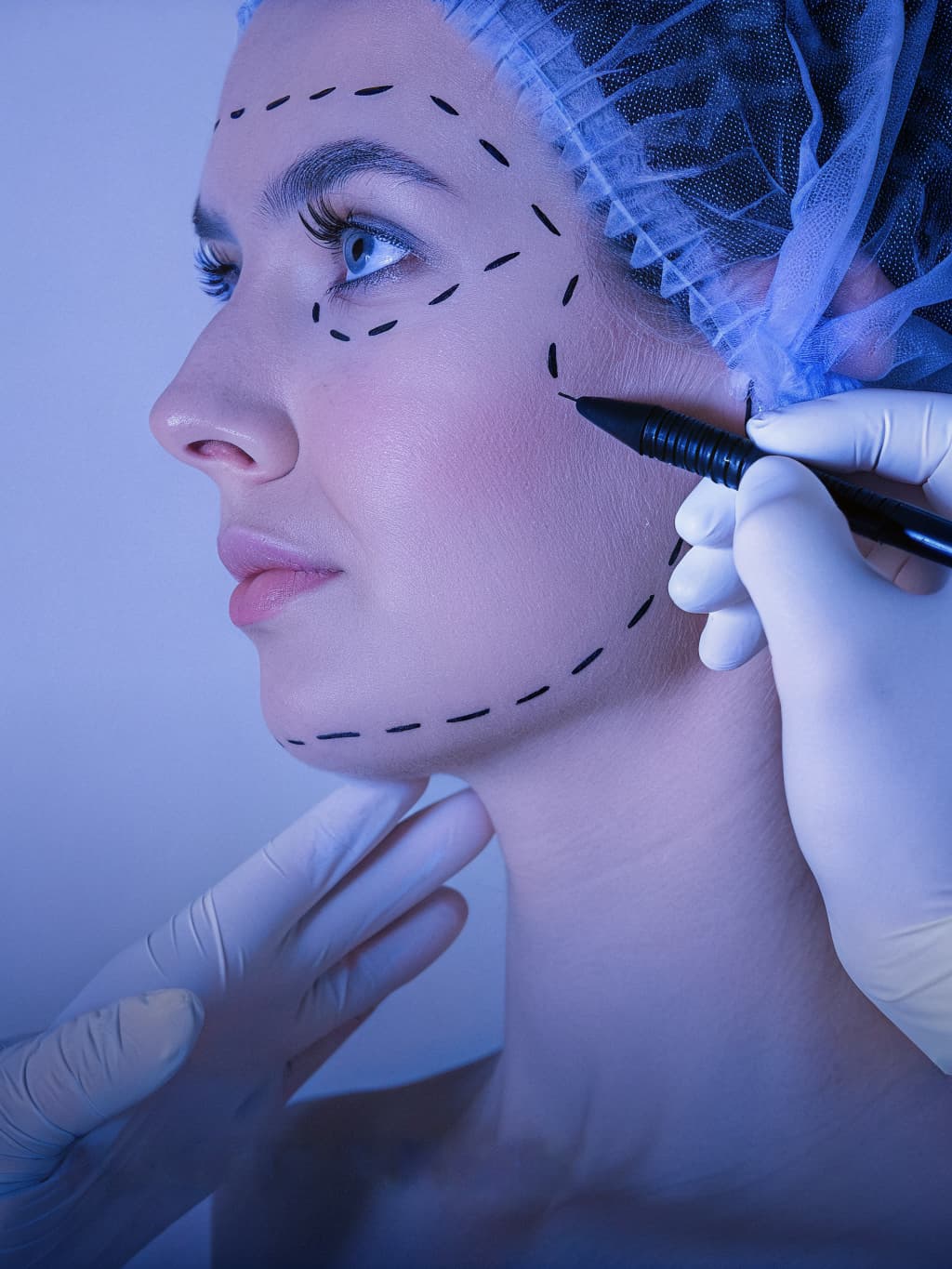
This refers to volumizing and enhancing the shape of the entire face non-surgically with fillers alone for patients who either do not desire surgery or are not good surgical candidates. The procedure is performed using a combination of topical and local anesthesia.

In the state of Florida, properly licensed physicians, physician assistants, and nurse practitioners most commonly perform these procedures. Board-certified plastic surgeons and dermatologists perform most of these procedures nationwide.

Explore Treatments

Related procedures.

Med Spa

Not sure where to start?

Our facial fillers and injectables overview walks through treatment options, candidacy, and what a consultation with Dr. Eberle includes.

Next Steps

Schedule your consultation.

Ready to discuss fillers, Botox, or a liquid facelift? Book a consultation at Weston Center for Plastic Surgery in Fort Lauderdale.

Our Procedures

Discover the full range of surgical and non-surgical treatments tailored to your goals.